Abstract
Analysing cinema is a time-consuming process. In the cinematography domain alone, there's
a lot of factors to consider, such as shot scale, shot composition, camera movement, color,
lighting, etc. Whatever you shoot is in some way influenced by what you've watched. There's
only so much one can watch, and even lesser that one can analyse thoroughly.
This is where neural networks offer ample promise. They can recognise patterns in images
that weren't possible until less than a decade ago, thus offering an unimaginable speed up
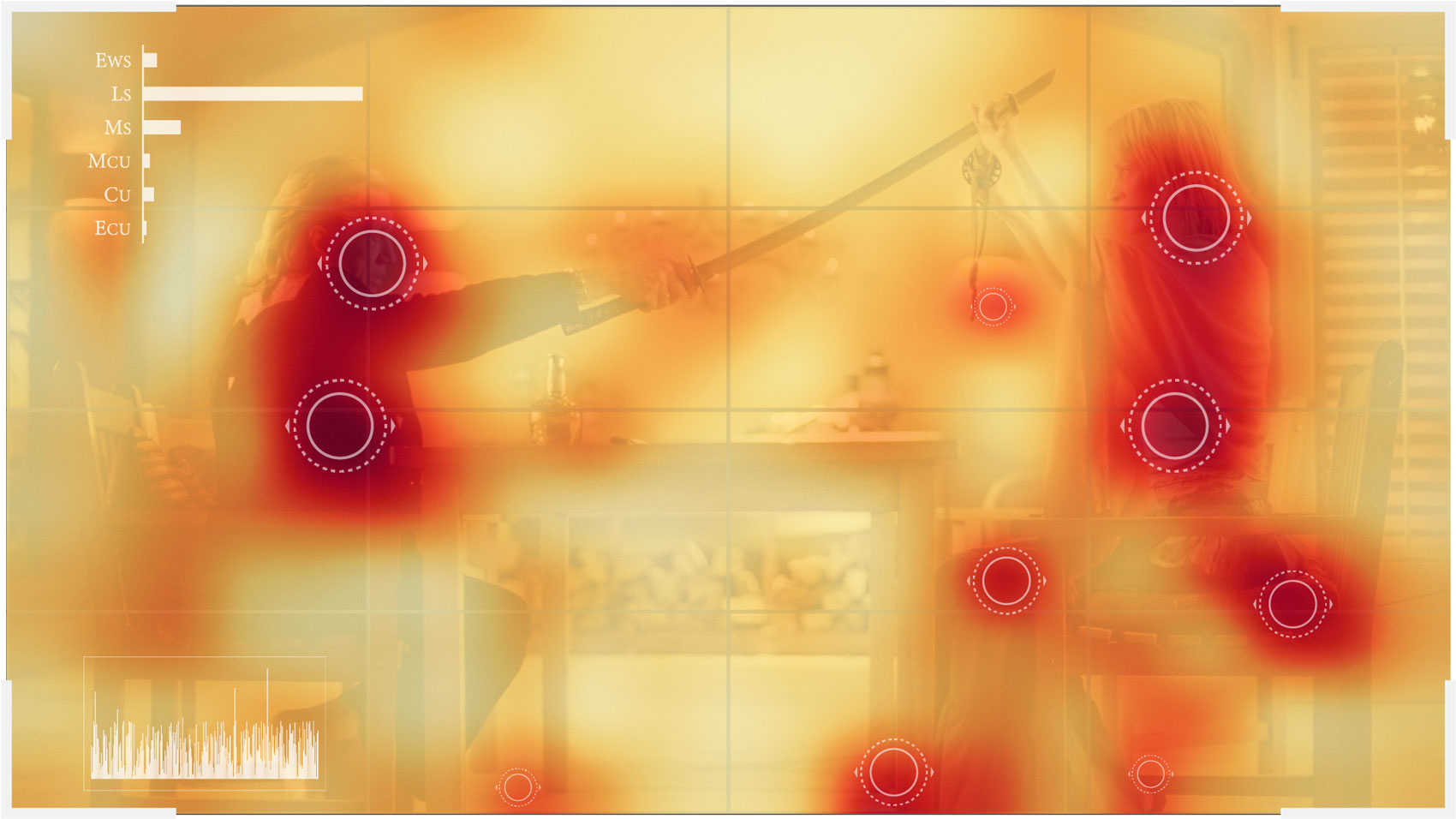
in analysing cinema. I've developed a neural network that focuses on one fundamental element
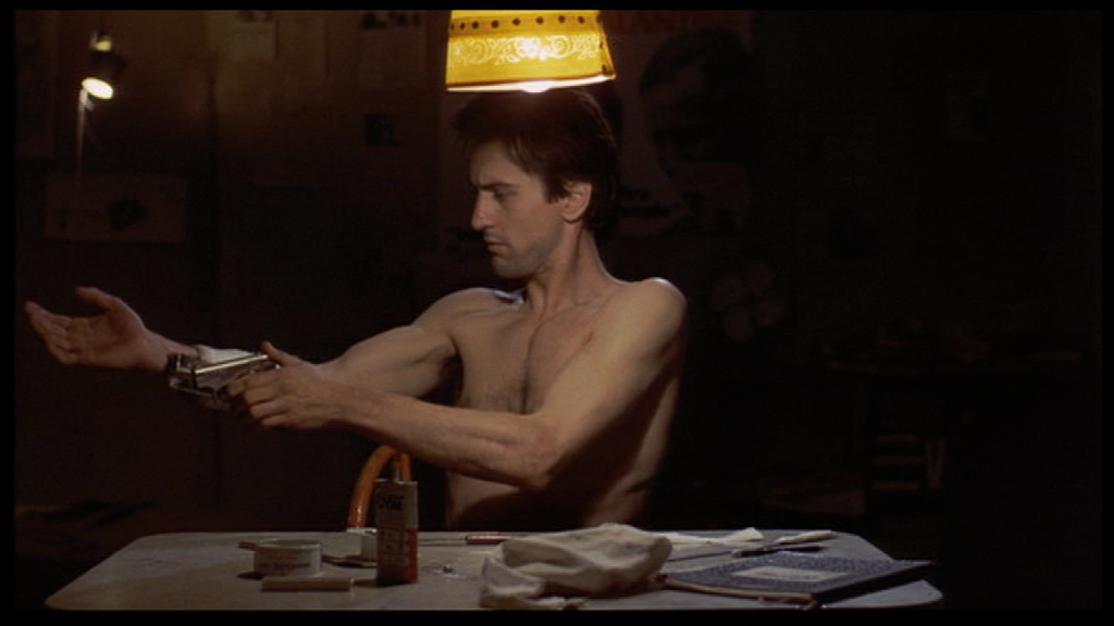
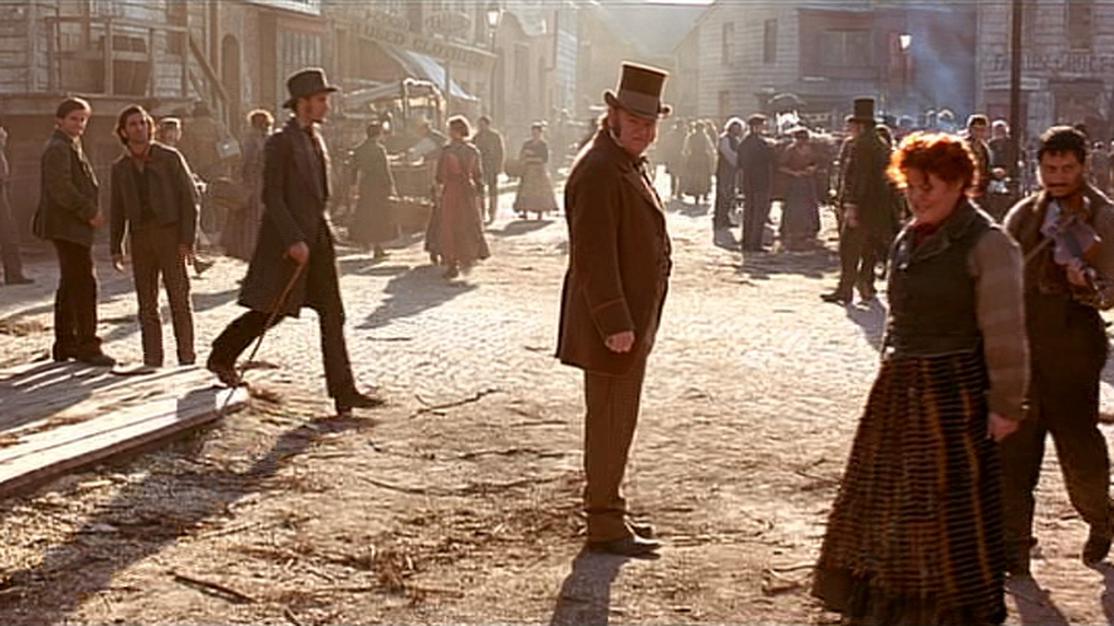
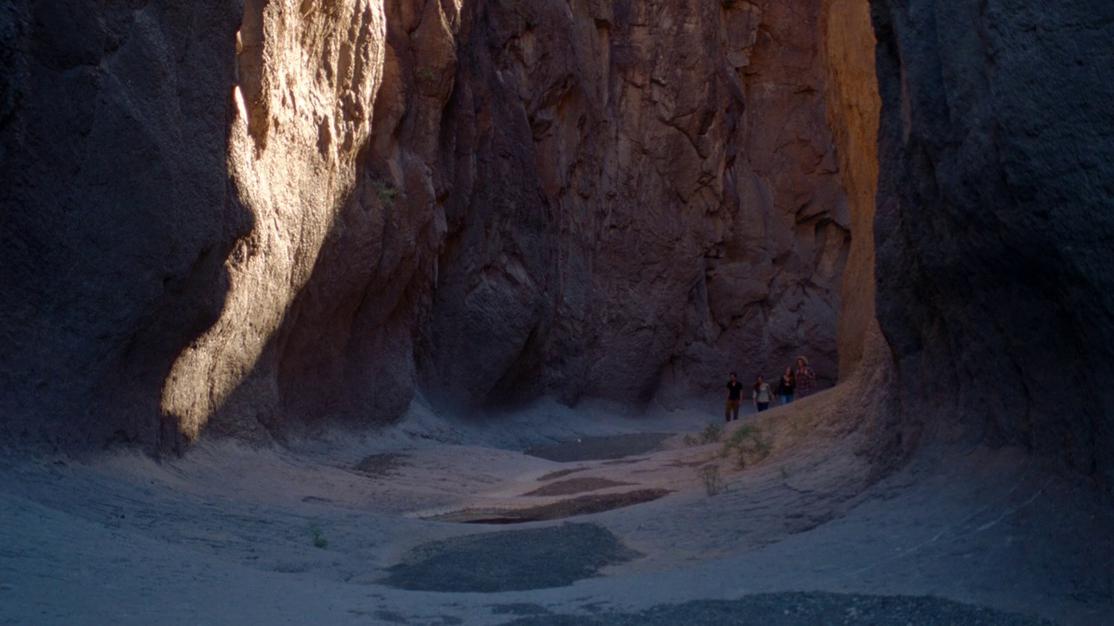
of visual grammar: shot types. It's capable of recognising 6 unique shot types, and is
~91% accurate.